
Italian Pizza Dough Recipe
Italian pizza dough is the foundation of authentic, wood-fired-style pizza — soft on the inside with a perfectly crisp crust. This traditional recipe uses just a few ingredients to create a dough that’s elastic, flavorful, and easy to work with. Whether you bake it in a home oven or on a pizza stone, it delivers that true Italian pizzeria taste right at home.
With a touch of olive oil and the right fermentation, you’ll get that chewy texture and subtle flavor that defines Italian pizza. Perfect for classic Margherita, pepperoni, or any topping you love.
Follow this step-by-step recipe to make your own Italian pizza dough from scratch and bring a taste of Italy into your kitchen.
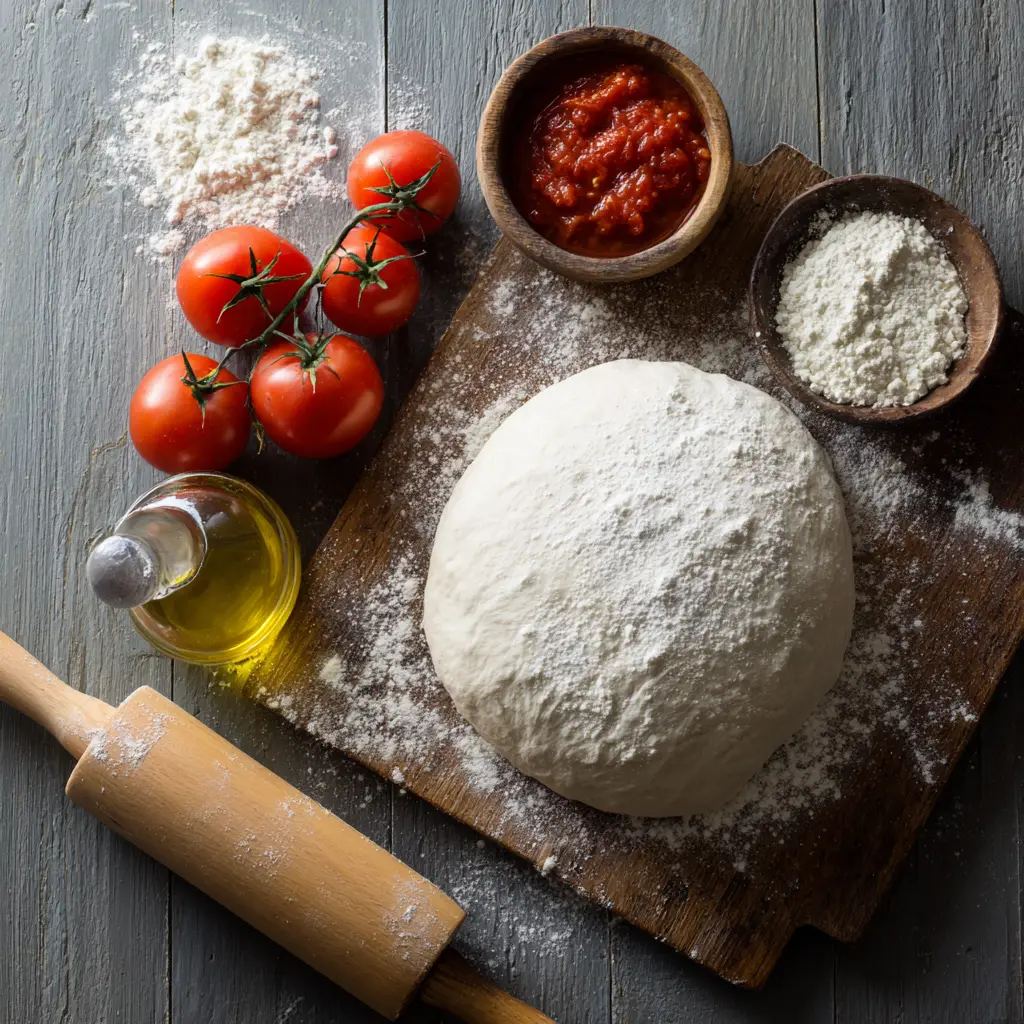
Ingredients List
– 3 ½ cups (450g) all-purpose flour or 00 pizza flour
– 1 cup (240ml) warm water (about 100°F / 38°C)
– 2 teaspoons active dry yeast
– 1 teaspoon sugar
– 1 teaspoon salt
– 2 tablespoons olive oil (plus more for brushing)
– Extra flour for dusting
Step-by-Step Instructions
Step 1: In a small bowl, combine warm water, sugar, and yeast. Stir gently and let it sit for about 5–10 minutes until foamy. This step activates the yeast.
Step 2: In a large mixing bowl, combine flour and salt. Make a well in the center and pour in the activated yeast mixture along with olive oil.
Step 3: Mix everything together with a wooden spoon until a sticky dough begins to form. If it’s too sticky, add a bit more flour, one tablespoon at a time.
Step 4: Transfer the dough to a floured surface and knead for about 8–10 minutes until smooth and elastic. Proper kneading develops the gluten that gives the dough its structure.
Step 5: Lightly oil a clean bowl, place the dough inside, and cover with plastic wrap or a damp kitchen towel. Let it rise in a warm area for 1–1.5 hours or until it doubles in size.
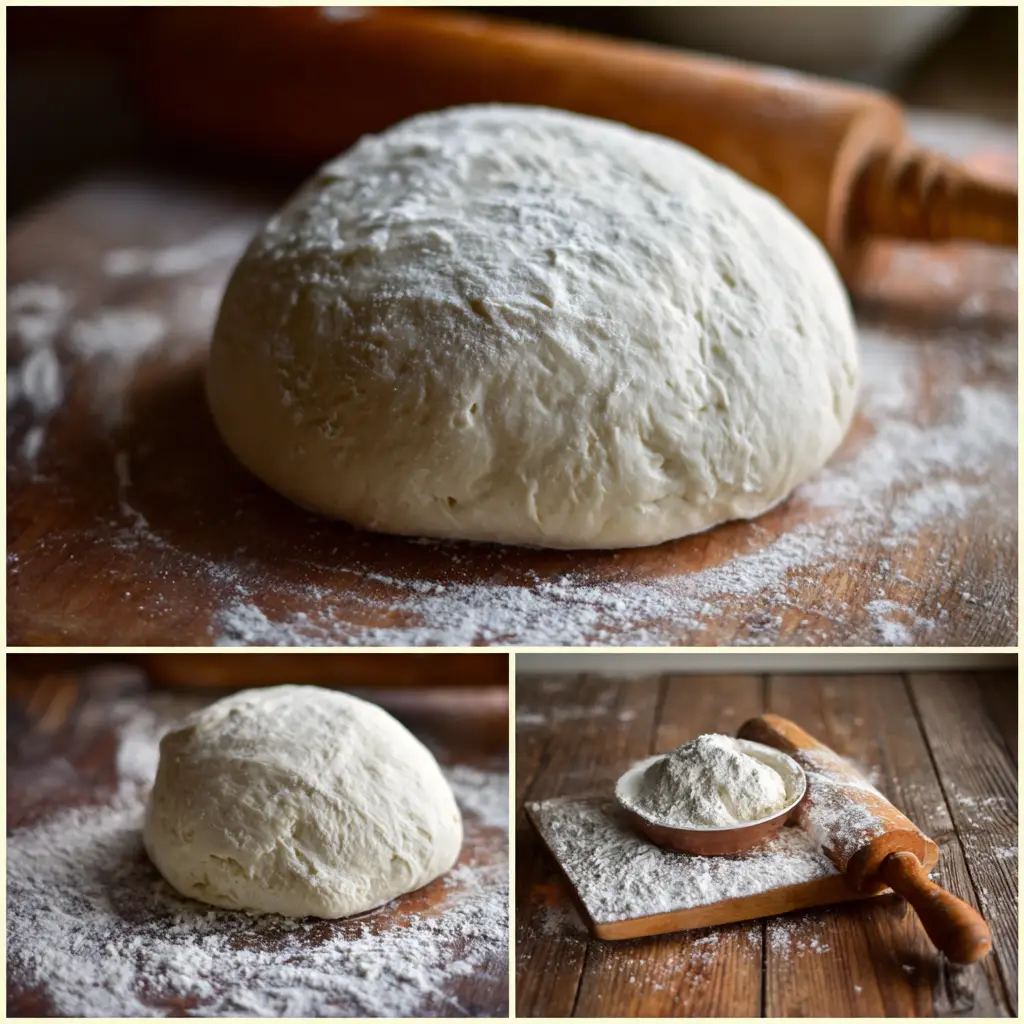
Step 6: Once risen, punch down the dough to release excess air. Transfer to a floured surface and divide into 2 portions if making two pizzas. Shape each portion into a ball.
Step 7: Let the dough balls rest, covered, for another 15–20 minutes before stretching. This makes them easier to handle and prevents tearing.
Step 8: Roll or stretch each dough ball into a circle about 10–12 inches wide. Top with your favorite sauce, cheese, and toppings.
Step 9: Bake in a preheated oven at 475°F (245°C) for 10–12 minutes on a pizza stone or baking sheet until golden and crisp.
Step 10: Brush the crust with olive oil right after baking for that classic Italian shine and flavor. Slice and serve hot.
Cook Time
Prep Time: 15 minutes
Rise Time: 1 hour 30 minutes
Cook Time: 12 minutes
Total Time: 1 hour 57 minutes
Servings
Makes 2 medium pizzas or 4 small personal pizzas
Nutritional Information (approx. per serving)
Calories: 190
Carbs: 36g
Protein: 6g
Fat: 3g
Storage Instructions
Refrigerate unused dough in an airtight container for up to 3 days.
To freeze, wrap dough balls tightly in plastic wrap and freeze for up to 3 months. Thaw in the refrigerator overnight before using.
To reheat baked pizza, warm in a 375°F oven for 5–7 minutes until crisp.
Pairings/Suggestions
This Italian pizza dough pairs beautifully with classic toppings like tomato sauce, mozzarella, basil, and olive oil for a Margherita pizza.
It also works great for calzones, garlic breadsticks, or flatbreads.
Serve alongside a fresh Caprese salad or a glass of red wine for a true Italian experience.
Seasonal Relevance
Pizza is a year-round favorite but especially fun for summer outdoor gatherings or cozy winter movie nights.
It’s perfect for family dinners, weekend baking projects, or pizza parties with friends.
Health Benefits
Homemade pizza dough offers better nutritional control compared to store-bought versions. Using quality flour and olive oil keeps it lighter and more wholesome.
Olive oil provides heart-healthy fats, while slow fermentation can improve digestibility.
By making it yourself, you can control sodium levels and avoid preservatives found in packaged dough.
Pros and Cons
| Pros | Cons |
|---|---|
| Authentic Italian flavor | Requires rising time |
| Simple, natural ingredients | Needs proper kneading |
| Customizable for any topping | Best results require hot oven |
| Freezer-friendly | Slight learning curve for beginners |
Conclusion
This Italian pizza dough recipe is simple, traditional, and foolproof. With just a handful of ingredients, you can achieve that iconic thin, chewy crust loved around the world. It’s the perfect base for any topping, from a simple Margherita to gourmet combinations.
Homemade pizza always feels special, and this recipe delivers restaurant-quality results right from your kitchen. Once you taste it, you’ll never go back to store-bought dough again — because nothing beats authentic Italian texture and flavor.

Italian Pizza Dough Recipe
Course: Pizza Dough Recipes4
servings15
minutes12
minutes190
kcalThis canned peach cobbler recipe delivers homemade comfort with minimal effort. Buttery batter, golden crust, and syrupy peaches come together for a classic Southern-style dessert that’s simple and delicious.
Ingredients
– 3 ½ cups (450g) all-purpose flour or 00 pizza flour
– 1 cup (240ml) warm water (about 100°F / 38°C)
– 2 teaspoons active dry yeast
– 1 teaspoon sugar
– 1 teaspoon salt
– 2 tablespoons olive oil (plus more for brushing)
– Extra flour for dusting
Directions
- In a small bowl, combine warm water, sugar, and yeast. Stir gently and let it sit for about 5–10 minutes until foamy. This step activates the yeast.
- In a large mixing bowl, combine flour and salt. Make a well in the center and pour in the activated yeast mixture along with olive oil.
- Mix everything together with a wooden spoon until a sticky dough begins to form. If it’s too sticky, add a bit more flour, one tablespoon at a time.
- Transfer the dough to a floured surface and knead for about 8–10 minutes until smooth and elastic. Proper kneading develops the gluten that gives the dough its structure.
- Lightly oil a clean bowl, place the dough inside, and cover with plastic wrap or a damp kitchen towel. Let it rise in a warm area for 1–1.5 hours or until it doubles in size.
- Once risen, punch down the dough to release excess air. Transfer to a floured surface and divide into 2 portions if making two pizzas. Shape each portion into a ball.
- Let the dough balls rest, covered, for another 15–20 minutes before stretching. This makes them easier to handle and prevents tearing.
- Roll or stretch each dough ball into a circle about 10–12 inches wide. Top with your favorite sauce, cheese, and toppings.
- Bake in a preheated oven at 475°F (245°C) for 10–12 minutes on a pizza stone or baking sheet until golden and crisp.
- Brush the crust with olive oil right after baking for that classic Italian shine and flavor. Slice and serve hot.
Recipe Video
Notes
- This canned peach cobbler recipe is quick, easy, and full of warm, fruity flavor.Made with simple pantry ingredients and juicy canned peaches for convenience.Perfect for last-minute desserts, family dinners, or cozy weekend treats.
FAQs
Q1: Can I use whole wheat flour instead of all-purpose flour?
Yes, but replace only half with whole wheat flour to maintain a soft texture. Using 100% whole wheat can make the crust dense.
Q2: How long should I let the dough rest before baking?
Letting it rest for at least 15–20 minutes after shaping allows the gluten to relax, making stretching easier and preventing shrinkage in the oven.
Q3: Can I make this dough without yeast?
While yeast gives the best flavor and texture, you can substitute 1 ½ teaspoons of baking powder for a quicker, no-rise dough — though the crust will be less chewy.
Q4: What’s the best temperature to bake Italian pizza?
For the best results, bake at 475°F (245°C) or higher. A preheated pizza stone or steel helps achieve that perfect golden crust.
Q5: How can I make my dough more flavorful?
Letting the dough ferment in the fridge for 24 hours deepens its flavor. The slow rise enhances the natural yeast taste and improves texture.


